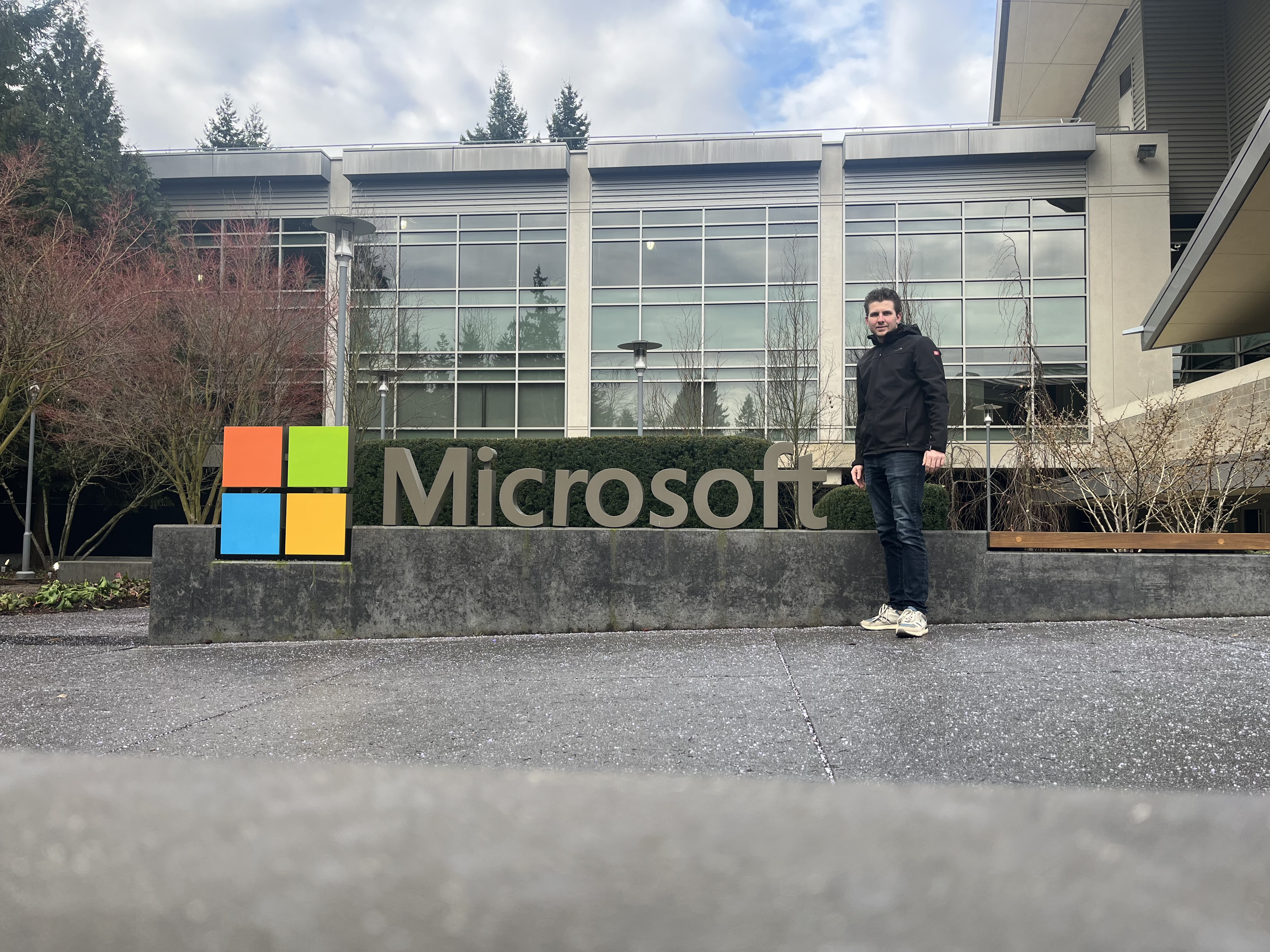
Microsoft Security Engineering Partner Airlift
This week I had the privilege of attending the Microsoft Security Engineering Partner Airlift in Redmond, my second year in a row participating in this truly unique event. As an Elite Microsoft partner, these gatherings are not only inspiring but also essential to staying aligned with Microsoft’s rapidly evolving security strategy.
Unfortunately I can't say to much about the content, however, in this blog post I try to highlight my most important take-aways.
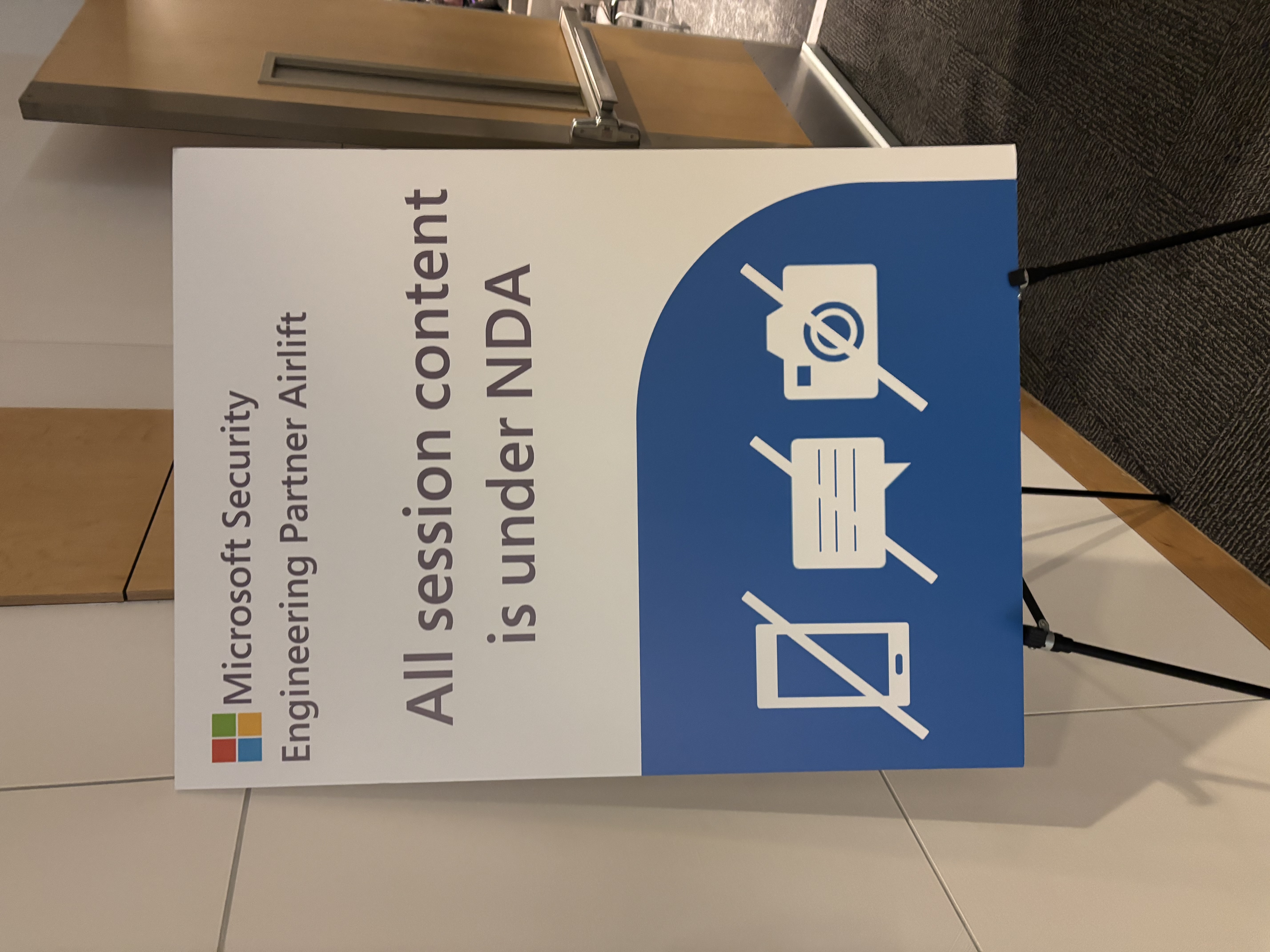
The Airlift is where engineering transparency, product vision, and deep technical expertise come together. For anyone working in Identity and Security, it’s one of the few opportunities to hear directly from the teams building the products we rely on every day, and to influence what comes next.
A deep-dive into the future of Microsoft Security
As someone with more than a decade of experience in Identity Security, my natural lens is identity-first. But this year’s sessions reinforced more than ever that identity is just the foundation.
Across engineering talks, roadmap briefings, and hands-on deep dives, a clear theme emerged: Microsoft is accelerating toward a more unified, AI-driven, end-to-end security ecosystem.
Some of the standout areas for me included:
- The shift toward AI-native security operations: Seeing how Microsoft is operationalizing AI across threat detection, response, and analysis is incredible. Copilot for Security is maturing quickly, and its integration into Entra, Defender, and Purview is becoming more seamless and impactful with each update.
- Cloud identity as the new control plane: Entra continues to strengthen its position as the heart of Zero Trust, not only across Microsoft workloads but increasingly across multicloud and hybrid environments.
- The rising criticality of data security in the age of AI: With AI accelerating at an unprecedented pace, data has become both the most valuable asset and the most significant liability for organizations. Microsoft Purview stood out this week as a central pillar in protecting that data across its entire lifecycle: classification, governance, loss prevention, insider risk, and compliance. What resonated with me is how Purview is evolving from a “compliance tool” to an AI‑aware data security engine that understands content, context, and sensitivity at a granular level. As AI models consume and derive insights from more data, having the right guardrails, visibility, and governance in place isn’t optional, it’s foundational to operating securely and responsibly.
- Engineering transparency: The openness with which PMs and engineering leaders shared the ‘why’ behind decisions, including trade‑offs, challenges, and upcoming changes, is exactly what partners like us need to better support customers.
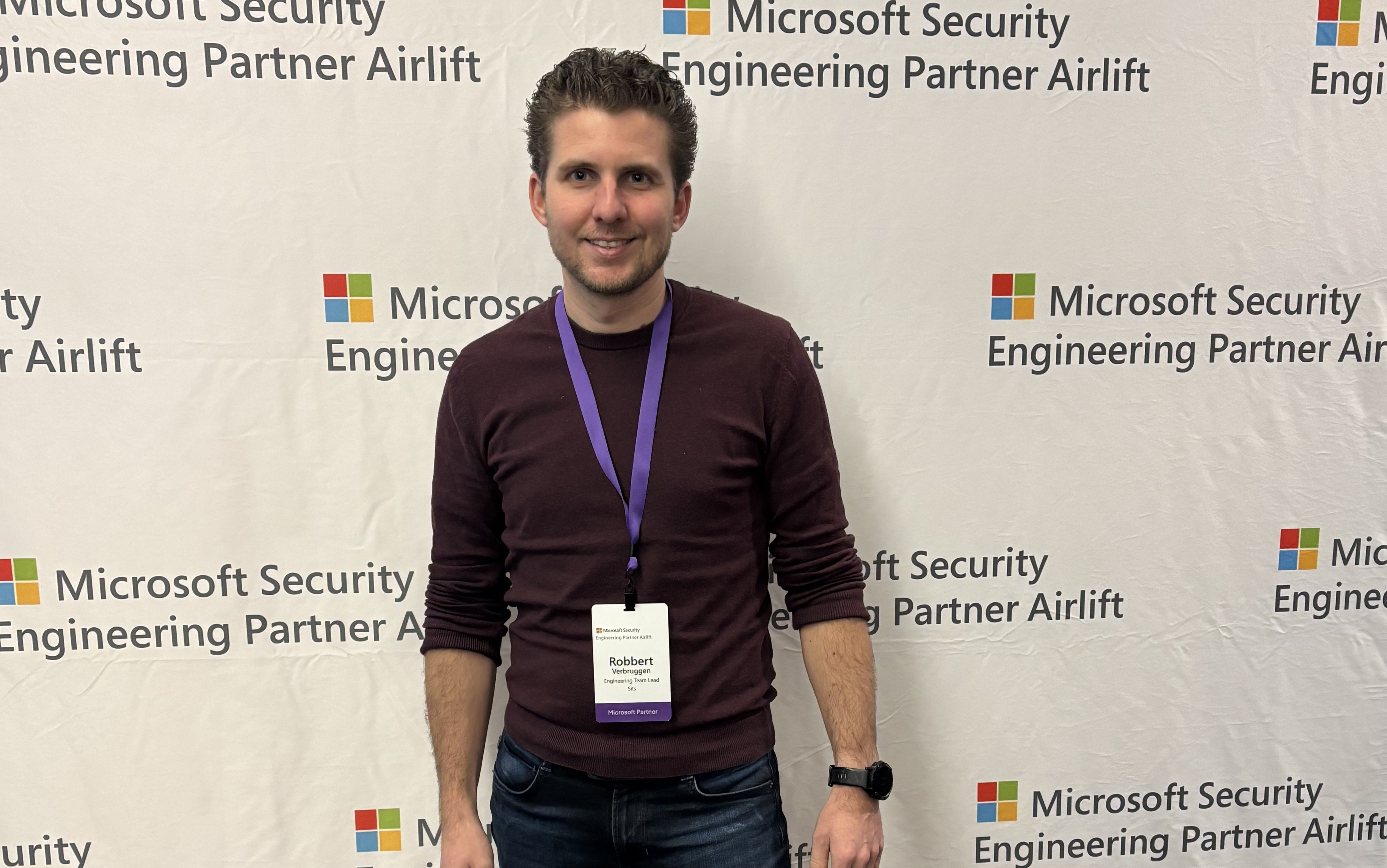
Why this event matters
Beyond the product updates, what makes the Airlift special is the access to:
- direct conversations with engineering teams
- opportunities to validate real‑world customer use cases
- the chance to influence roadmap direction with partner feedback
For me personally, it’s the type of environment that gives energy and perspective. I walked away with a clearer sense of where Microsoft is heading, and how I can continue growing beyond Identity Security into the broader Microsoft security ecosystem.
Looking ahead
As the threat landscape grows more complex and AI accelerates both defenses and attacks, the Microsoft security stack is evolving at an incredible pace. Being part of these conversations early is not just valuable, it’s essential. I’m excited to bring these insights back home, and even more excited to continue deepening my expertise across Microsoft’s full security portfolio.